Understanding LVP Flooring and Its Benefits
What is LVP Flooring?
Luxury Vinyl Plank (LVP) flooring is a type of synthetic flooring designed to mimic the appearance of natural materials like hardwood and stone. It is constructed from multiple layers, including a wear layer, a design layer showcasing realistic visuals, and a backing layer for added stability. This flooring option offers an ideal blend of aesthetic appeal and practical functionality, making it a popular choice for residential and commercial spaces alike.
Top Advantages of LVP Flooring
LVP flooring offers numerous benefits that contribute to its rising popularity among homeowners and interior designers. Firstly, it is waterproof or water-resistant, making it perfect for areas prone to spills and moisture, such as kitchens and bathrooms. Additionally, LVP is known for its durability, resisting scratches, dents, and stains, which makes it a practical choice for high-traffic areas.
Another advantage is its ease of installation. Many LVP products feature a click-lock system, allowing for quicker and simpler placement without the need for glue or nails. Furthermore, LVP provides comfort underfoot, is relatively quiet compared to other flooring types, and requires minimal maintenance, further enhancing its appeal.
Sustainability Factor of LVP Flooring
As environmental concerns grow, the sustainability of flooring materials has become increasingly important. Many manufacturers have started producing LVP flooring using recycled materials and non-toxic compounds. Look for brands that emphasize eco-friendliness and sustainable practices; this can often be a determining factor when choosing your perfect lvp flooring near me.
How to Identify the Best LVP Flooring Near Me
Researching Local Options
To find the best LVP flooring providers in your area, begin by conducting thorough online research. Utilize search engines to locate nearby retailers, and consider filtering results to showcase local businesses. Websites and platforms specializing in home improvement can also provide reviews and ratings that highlight the quality of different LVP flooring brands. Don’t overlook brick-and-mortar store visits to see samples and consult with sales staff.
Reading Reviews for Better Insights
Reading consumer reviews can offer valuable insights into the performance and longevity of specific LVP flooring products. Pay attention to both positive and negative feedback to get an accurate overview of user experiences. Look for comments on factors like comfort, ease of installation, and overall satisfaction with the product. Online platforms, including social media, can serve as excellent resources for finding authentic reviews.
Seeking Recommendations From Friends
Tap into your personal network for recommendations. Friends or family members who have recently renovated or built their homes can provide firsthand accounts of their experiences with various LVP flooring products. Their insights can help you narrow down options based on aesthetics, durability, and overall value for money.
Factors Influencing LVP Flooring Prices
Cost Per Square Foot Explained
The cost of LVP flooring can vary significantly depending on the product quality, brand, and features. Generally, you can expect the price to range from $2 to $7 per square foot. Higher-quality options typically offer enhanced durability and aesthetics but may come with a steeper price tag. Always measure your space accurately to determine how much flooring you’ll need, allowing you to estimate your overall budget more effectively.
Installation Fees and Overheads
In addition to the cost of the material itself, factor in installation expenses. Professional installation can run between $1 to $3 per square foot, depending on the complexity of the job and local labor rates. Some retailers may offer free or discounted installation promotions, especially with specific product purchases. Always clarify what’s included in the installation fee, such as removing old flooring or prepping the subfloor.
Long-term Value of Investing in LVP
Despite possible higher upfront costs compared to cheaper alternatives, investing in quality LVP flooring may yield long-term savings. Due to its durability and resistance to wear, you can expect lower replacement costs over time. Additionally, energy efficiency due to insulation properties can lead to reduced heating and cooling bills. Always evaluate the lifecycle costs when making your decision.
Styles and Designs of LVP Flooring to Consider
Popular Textures and Patterns
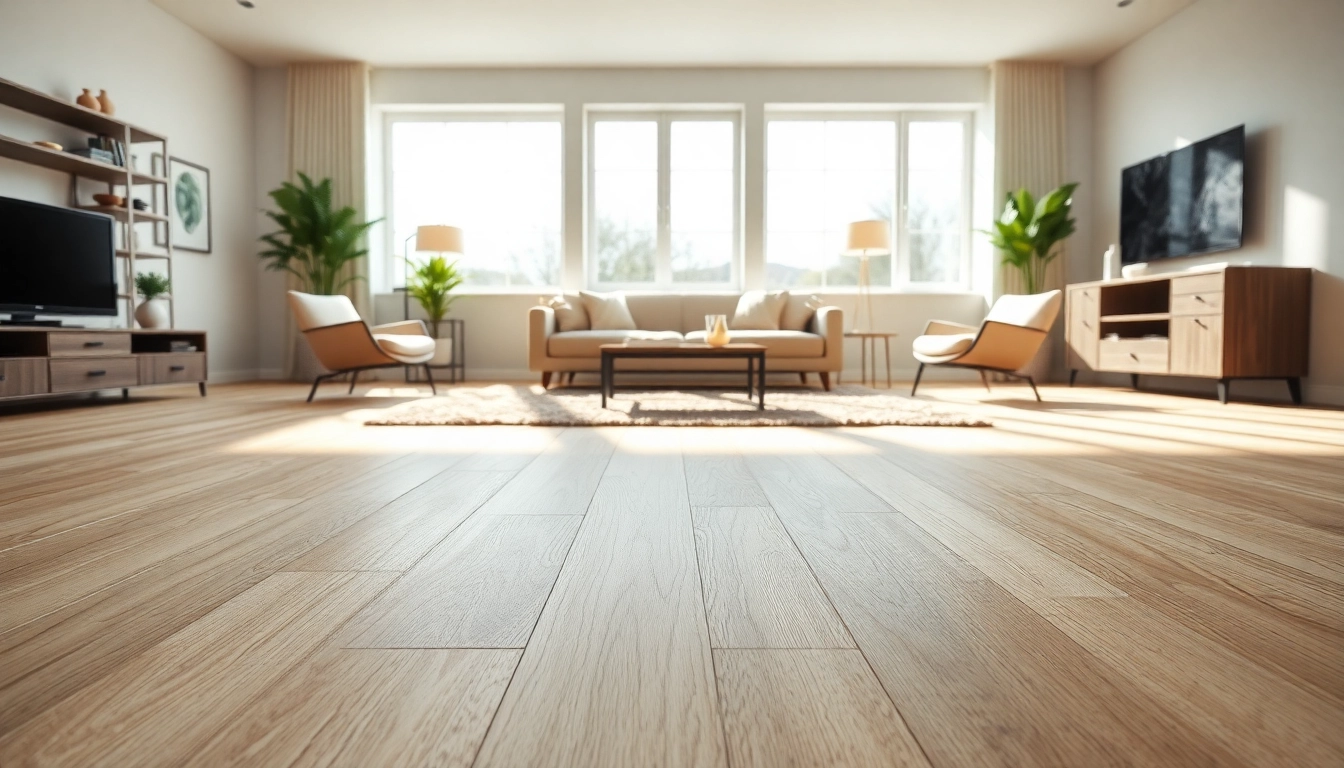
LVP flooring is available in a wide range of textures and patterns, enabling you to customize your space. Popular choices include wood-look, stone-look, and even abstract designs. Textures can enhance the realism of the product, providing depth and interest to your flooring. Consider your overall aesthetic, selecting patterns that complement your furniture and design choices.
Choosing Colors that Match Your Aesthetic
Color selection plays a pivotal role in creating the desired mood of a space. Trends vary from light, airy tones to darker, richer shades. Light colors can help a room feel larger and more open, while darker hues can create warmth and intimacy. Always sample swatches in your home environment to see how different colors play with lighting and other elements in the room.
Contemporary vs. Classic Looks
When choosing your LVP flooring, determining whether you want a contemporary or classic look is essential. Contemporary designs often feature bold colors, sleek finishes, and innovative patterns, while classic styles lean toward traditional woods and stones with timeless looks. Align your choice with the overall theme of your home for a cohesive design.
Maintenance Tips for LVP Flooring
Weekly Cleaning Routines
Regular maintenance is key to preserving the aesthetic and longevity of your LVP flooring. Implementing a weekly cleaning routine involving sweeping or vacuuming can help eliminate dirt and debris that may scratch the surface. Following up with a damp mop using a recommended vinyl flooring cleaner can ensure your floors maintain their shine and integrity.
Preventing Damage and Wear
To prevent damage and wear, consider using furniture pads under heavy items and avoid dragging furniture across the floor. Maintain proper humidity levels in your home to prevent the material from warping. Additionally, avoid using harsh chemicals or abrasive tools that may scratch and deteriorate the flooring’s finish.
Long-lasting Care and Upkeep Suggestions
For long-lasting care of your LVP flooring, consider performing occasional deep cleaning to safeguard against buildup. Every few months, go beyond regular cleaning by using specialized products or hiring professional services. Staying proactive with maintenance can significantly extend the life of your flooring, ensuring you enjoy its benefits for years to come.
FAQs About LVP Flooring
1. Is LVP flooring waterproof?
Yes, LVP flooring is typically waterproof, making it an excellent choice for moisture-prone areas like kitchens and bathrooms.
2. Can I install LVP flooring myself?
Yes, many LVP flooring products feature a click-lock design that allows for easy DIY installation without professional help.
3. How do I clean LVP flooring?
Regular cleaning involves sweeping or vacuuming, followed by mopping with a damp cloth and a recommended vinyl cleaner for best results.
4. How long does LVP flooring last?
With proper care and maintenance, LVP flooring can last 15 to 25 years, making it a durable flooring option.
5. Is LVP flooring eco-friendly?
Many brands produce LVP flooring using recycled materials, but it’s essential to check for specific eco-certifications for sustainability.