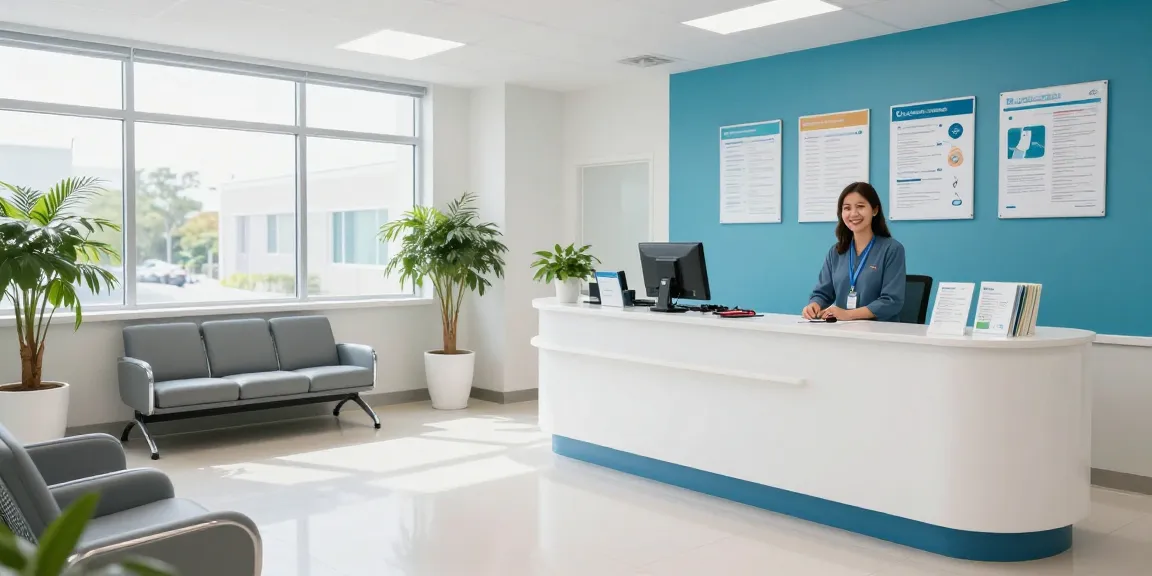
1. Understanding Patient Care in Healthcare Systems
Patient care is a fundamental aspect of healthcare that encompasses the services provided by medical professionals to achieve the best possible health outcomes for individuals. This includes a wide range of practices and disciplines designed to focus on patients’ health needs, preferences, and families. Comprehensive patient care can be enhanced through effective means of communication and care coordination. When exploring options, sc88 com provides comprehensive insights into healthcare services you can consider.
1.1 The Importance of Compassionate Communication
Compassionate communication is critical in healthcare as it fosters trust and transparency between patients and providers. Studies show that patients who feel heard and understood are more likely to adhere to treatment plans and report higher satisfaction levels. A healthcare provider who employs active listening, empathy, and clear information can significantly enhance the patient’s overall care experience.
1.2 Patient Rights and Advocacy in Healthcare
Understanding patient rights is vital for ensuring that individuals receive fair and respectful treatment. Patients have the right to make informed decisions about their healthcare, including the right to refuse treatment and to access their medical records. Advocating for these rights not only empowers patients but also promotes ethical healthcare practices.
1.3 Navigating Health Insurance for Optimal Care
Navigating health insurance can be overwhelming for many patients. It’s essential to understand the different types of health plans, what services are covered, and how to file claims. Engaging with healthcare advisors or using online resources can help demystify insurance benefits and optimize care access and affordability.
2. Exploring Medical Services and Specialties
With advancements in medicine, there is a wide array of medical services and specialties available today. Each specialty focuses on specific aspects of health, offering tailored care to address various conditions. Exploring these services helps patients make informed decisions regarding their healthcare options, ensuring they receive appropriate treatments.
2.1 Comprehensive Primary Care: What to Expect
Comprehensive primary care encompasses preventive services, wellness education, and management of chronic diseases. Patients can expect personalized care plans that are continuously updated based on changing health conditions. Regular check-ups are essential for catching potential health issues early, ultimately improving health outcomes.
2.2 Leading Innovations in Cardiology and Treatment Options
Cardiology has made significant advances in diagnosis and treatment, including minimally invasive procedures and personalized medicine approaches. Innovative technologies, such as remote monitoring and telemedicine, enable better management of cardiac conditions, enhancing patient engagement and adherence to treatment plans.
2.3 Dermatology Insights: Evidence-Based Practices for Skin Health
Dermatologists utilize evidence-based practices to address various skin conditions, from acne to skin cancer. Regular skin check-ups are vital for early detection and effective treatment. Patients are encouraged to practice sun safety and adopt a skincare routine that caters to their unique needs.
3. Preventive Health and Wellness Screenings
Preventive health screenings are crucial for early detection of diseases and ensuring optimal health. These screenings can help identify risk factors and conditions before they progress or become serious. Staying proactive regarding health is the key to long-term wellness.
3.1 Essential Screenings for Men and Women’s Health
Both men and women should engage in regular screenings specific to their health needs. Common screenings include blood pressure checks, cholesterol levels, mammograms for women, and prostate examinations for men. These services help mitigate risks associated with various medical conditions.
3.2 Nutrition and Lifestyle Medicine for Preventive Care
Nutrition plays a significant role in preventive care. Adopting a balanced diet, rich in fruits, vegetables, and whole grains, can diminish the risk of chronic diseases. Lifestyle medicine takes a holistic approach by incorporating physical activity, mental health support, and nutrition education, promoting optimal health across life stages.
3.3 Innovative Approaches to Managing Chronic Conditions
Managing chronic conditions has evolved with the integration of technology and patient-centered approaches. Programs offering telehealth consultations and remote patient monitoring empower individuals to manage their conditions effectively, enhancing adherence to prescribed therapies and lifestyle modifications.
4. Mental Health Awareness and Treatment Options
Mental health is an essential component of overall wellness. Recognizing its significance can help reduce stigma and promote understanding of mental health issues, enabling individuals to seek the help they need without fear of judgment.
4.1 Compassionate Approaches to Behavioral Health
Compassionate care in mental health is characterized by empathy, respect, and non-judgment. Effective mental health services provide personalized treatment plans that cater to individual needs, enhancing engagement and recovery outcomes.
4.2 Understanding Therapy and Counseling Modalities
Various therapeutic modalities, including cognitive-behavioral therapy and mindfulness-based strategies, offer support for individuals facing mental health challenges. Understanding these modalities can help patients choose the most suitable approach for their needs and goals.
4.3 The Role of Telemedicine in Mental Health
Telemedicine has revolutionized mental health care by increasing access to services, particularly for those in remote areas. Virtual therapy sessions can provide flexibility and privacy, making it easier for individuals to participate in their mental health treatment.
5. Enhancing Recovery through Rehabilitation Services
Rehabilitation services play a crucial role in recovery, integrating physical, occupational, and speech therapy to restore functionality and enhance quality of life for patients following injury or illness.
5.1 Physical Therapy for Injury Recovery and Wellness
Physical therapy focuses on restoring movement and functionality to patients recovering from surgery or injury. Tailored exercise programs, combined with manual therapies, are designed to improve mobility, strength, and overall well-being.
5.2 Expert Surgical Procedures and Recovery Guides
Understanding surgical options is essential for patients preparing for surgery. Surgical procedures have become increasingly refined, and accompanying recovery protocols are tailored to improve healing times and minimize complications.
5.3 Geriatric Care: Specialized Services for Elderly Patients
Geriatric care accommodates the unique needs of older adults, focusing on comprehensive assessments and interventions to enhance quality of life. This specialty emphasizes maintaining independence and managing coexisting health conditions effectively.
FAQs
1. What are the most common preventive screenings?
Common preventive screenings include blood pressure checks, cholesterol tests, mammograms, and colonoscopies. These screenings are essential for early detection and management of potential health risks.
2. How does telemedicine improve patient care?
Telemedicine improves patient care by providing convenient access to healthcare professionals, enhancing communication, and allowing for continuous monitoring of patients’ health conditions.
3. What should I know about patient rights in healthcare?
Patients have fundamental rights, including the right to informed consent, access to medical records, and the ability to refuse treatment. Understanding these rights can enhance patient autonomy and advocacy.